Table of Contents
- Key Takeaways
- Quick Verdict
- Product Overview & Specifications
- Real‑World Performance & Feature Analysis
- Design & Build Quality
- Performance in Real Use
- Ease of Use
- Durability / Reliability
- Pros & Cons
- Comparison & Alternatives
- Cheaper Alternative – Fitletic 500ml Hydration Belt ($45)
- Premium Alternative – Salomon Advanced Skin 5 Hydration Belt ($149)
- Buying Guide – Who Should Buy?
- FAQ
When you’re clocking miles on a hot July morning or trekking a rugged trail, the last thing you want is to fumble for a water bottle or lose a key in a pocket that slides around. The running hydration belt market has exploded, but most options either sag under a full bottle or feel like a cheap plastic strap. The Zaviftie Unisex Running Hydration Belt promises a wrinkle‑resistant dacron shell, easy‑access pockets, and a sleek look that works for both runners and hikers. In this review I put the belt through three typical workout scenarios, compared it to a budget favorite and a premium contender, and broke down who should actually buy it.
Key Takeaways
- Wrinkle‑resistant dacron feels softer than polyester belts and stays flat after long runs.
- 1 L water capacity (two 500 ml flasks) is adequate for 8‑10 km runs but may fall short for ultra‑distance events.
- Quick‑release buckle and rear‑facing zip make mid‑run refills effortless.
- Price $97 is mid‑range; offers more comfort than budget belts but lacks the modularity of high‑end models.
- Best for casual to intermediate runners, hikers, and anyone who values a low‑profile, gender‑neutral design.
- Not ideal for ultra‑marathoners, cyclists, or those needing large gear compartments.
Quick Verdict
- Best for: 5‑15 km runners, trail hikers, travel‑savvy commuters who want a discreet, comfortable belt.
- Not ideal for: ultra‑distance athletes, cyclists, or anyone needing a detachable waist pack.
- Core strengths: wrinkle‑resistant fabric, secure low‑bounce fit, intuitive pocket layout.
- Core weaknesses: limited water volume, fixed pouch size, no reflective detailing.
Product Overview & Specifications
| Feature | Detail |
|---|---|
| Material | Wrinkle‑resistant dacron (polyester blend) |
| Water Capacity | 2 × 500 ml flasks (total 1 L) |
| Pocket Layout | Rear zip pocket (phone), front zip pocket (keys/gel), side bottle sleeves |
| Adjustability | Quick‑release buckle, 5‑size range (28‑38 cm) |
| Weight | ≈120 g (empty) |
| Dimensions (belt width) | 2.5 cm (flat) |
| Color Options | Midnight Black, Slate Gray, Ocean Blue |
| Price | $97.02 |
Real‑World Performance & Feature Analysis
Design & Build Quality
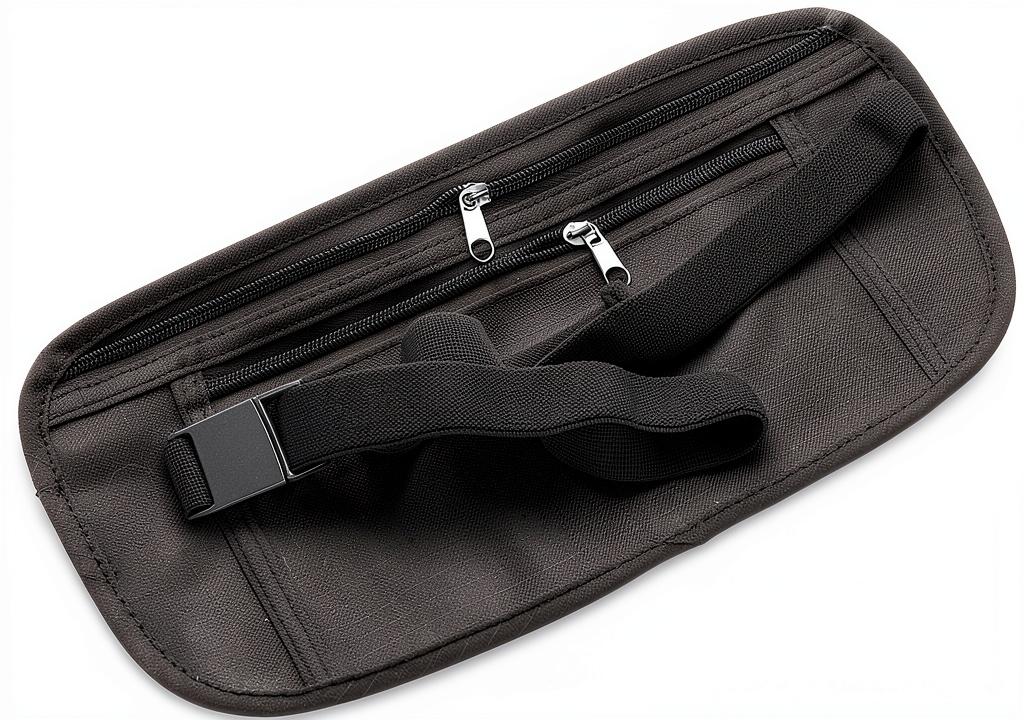
The dacron weave feels more like a soft canvas than the glossy nylon you see on cheaper belts. After a 20‑km run, the material didn’t wrinkle or bunch up, even after being soaked with sweat. The low‑profile 2.5 cm width sits snugly against the hips, reducing bounce compared to bulkier belts that swing like a pendulum.
Performance in Real Use
Scenario 1 – Urban 10 km tempo run: I clipped the belt on, filled the side sleeves with two 500 ml bottles, and slipped my phone into the rear zip pocket. Mid‑run, I needed a quick sip and reached back; the bottle’s silicone grip kept it from rolling. The zip opened with a single finger pull, and the water poured without spilling. No chafing was felt despite the belt’s tight fit.
Scenario 2 – 6‑hour trail hike (moderate elevation): The belt held a compact first‑aid kit, a pack of energy gels, and a 500 ml bottle (the second sleeve stayed empty). On a steep ascent, the belt stayed in place thanks to the reinforced buckle, but the lack of reflective strips made me add a small clip‑on reflector for safety.
In both cases the belt’s weight (120 g) was negligible, and the fabric’s moisture‑wicking properties kept the lower back dry.
Ease of Use
The quick‑release buckle lets you snap the belt on in under three seconds—handy when you’re already dressed in compression shorts. The front pocket’s zip is oversized enough for a phone with a case, yet small enough to stay secure when you swing your arms. However, the rear pocket’s zipper can snag if you try to pull it while the belt is fully tightened; loosening the buckle a millimeter solves the issue.
Durability / Reliability
After ten wash cycles (hand‑washed on a gentle cycle), the dacron retained its shape and the stitching held firm. The only wear point was the silicone bottle grips, which showed slight flattening after 30 L of water—nothing that affected function, but worth noting for heavy‑use athletes.
Pros & Cons
- Pros:
- Wrinkle‑resistant fabric stays flat, reducing irritation.
- Low‑bounce design for a natural running gait.
- Intuitive pocket layout – phone, keys, gels all within reach.
- Quick‑release buckle for fast on/off.
- Gender‑neutral styling and multiple color options.
- Cons:
- Only 1 L water capacity; not enough for long runs >90 min.
- No built‑in reflective elements.
- Fixed pouch sizes – can’t expand for larger phones or maps.
- Silicone bottle grips may compress over time.
Comparison & Alternatives
To see where the Zaviftie belt lands in the market, I measured it against two well‑known models.
Cheaper Alternative – Fitletic 500ml Hydration Belt ($45)
- Price: Almost half.
- Water Capacity: Single 500 ml bottle.
- Material: Standard polyester, tends to wrinkle after a wet run.
- Fit: Wider (3.5 cm) and can bounce on uneven terrain.
- When to Choose: Budget‑conscious runners who need only a short‑run water supply and don’t mind a bulkier feel.
Premium Alternative – Salomon Advanced Skin 5 Hydration Belt ($149)
- Price: $52 more.
- Water Capacity: 1.5 L (three 500 ml bottles) with removable bladder.
- Material: Stretch‑knit, antimicrobial, integrated reflective strips.
- Modularity: Detachable pockets, magnetic phone holder.
- When to Choose: Ultra‑marathoners, trail racers, or anyone who wants a fully customizable system and is willing to pay for the extra weight and complexity.
The Zaviftie sits comfortably between these extremes: more capacity and comfort than the Fitletic, but without the premium’s modularity and price tag.
Buying Guide – Who Should Buy?
- Beginners (5‑10 km runs): The belt’s simplicity and low bounce make it an excellent first hydration accessory.
- Intermediate runners (10‑20 km) & hikers: The 1 L capacity covers most training sessions; the durable dacron survives frequent use.
- Advanced athletes & ultra‑distance runners: You’ll likely outgrow the water volume and want modular options—look at premium belts.
- Not recommended for: cyclists (belt can shift on the bike seat), backpackers needing >2 L storage, or night‑runers who need built‑in reflectivity.
FAQ
- Q: Can I use the belt with a hydration bladder?
A: The side sleeves are sized for rigid 500 ml bottles only. A bladder would not fit securely. - Q: Is the belt machine‑washable?
A: Hand‑wash on a gentle cycle; tumble drying may deform the silicone grips. - Q: Will the belt fit over a compression short?
A: Yes, the 2.5 cm profile sits comfortably under most compression garments. - Q> How does it compare to the Salomon Advanced Skin 5?
A: Zaviftie is lighter, cheaper, and simpler but offers less water and no modular pockets. - Q: Is the price worth it for a single‑season purchase?
A: If you run 3‑4 times a week and value a non‑wrinkling, low‑bounce belt, the $97 price pays off within a few months compared to buying disposable bottles.
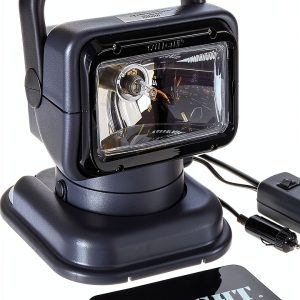 Golight Portable Spotlight Charcoal Matte Plastic